Frozen Storage in Dammam: 7 Tips for Restaurants in 2026
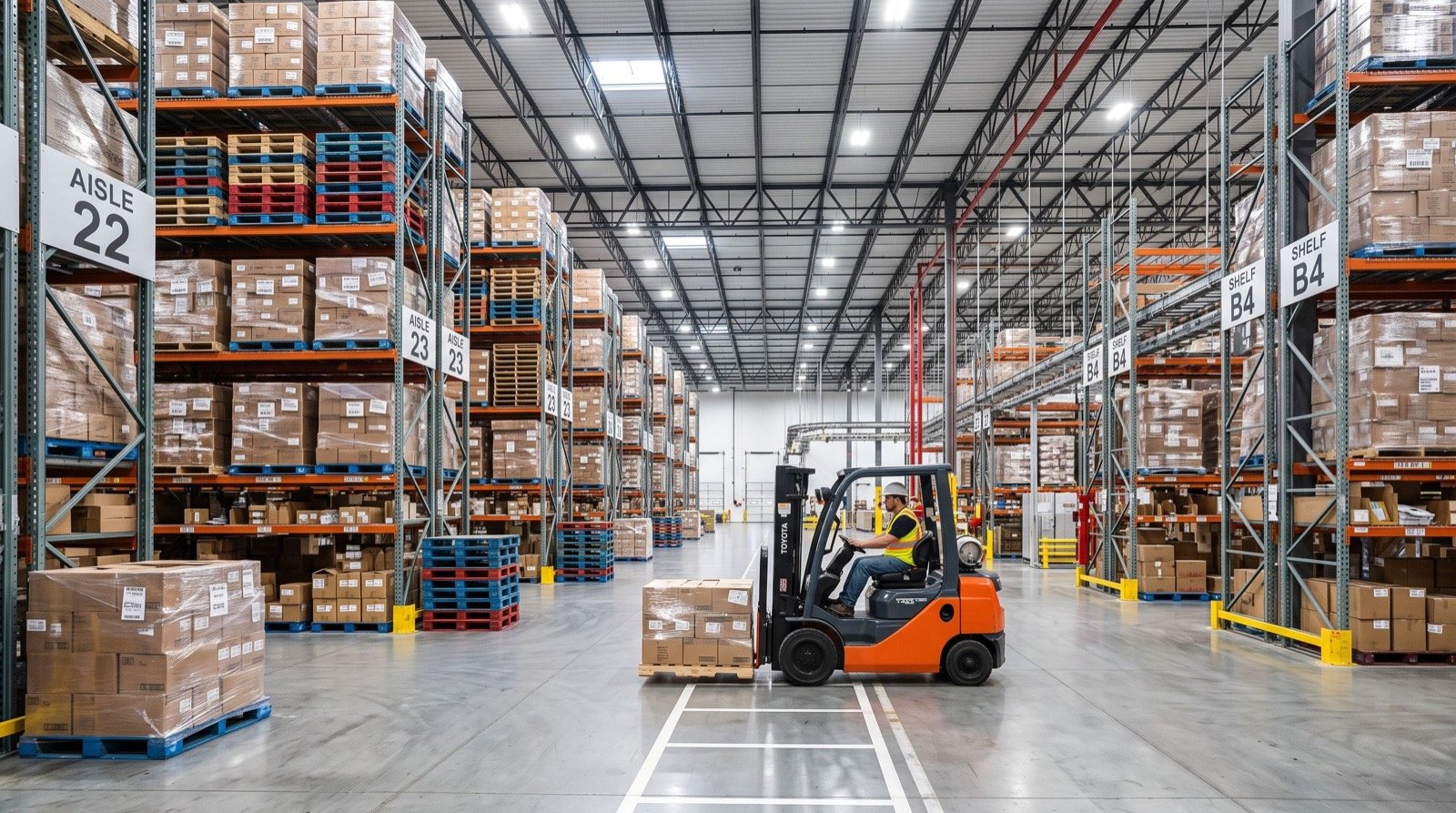
Frozen storage in Dammam is no longer a back-of-house afterthought for restaurant owners — it is the single biggest factor separating a menu that runs smoothly from one that bleeds cash on spoiled inventory. As Dammam’s food and beverage scene keeps expanding alongside the Eastern Province’s industrial growth, kitchen operators are discovering that the right cold-chain partner can cut waste, protect margins, and keep health inspectors happy. This guide breaks down what every restaurant, catering company, and ghost kitchen in the region needs to know before signing a storage contract in 2026.
Why Frozen Storage in Dammam Matters for Food Businesses
Dammam’s climate is brutal on perishables. Average summer highs regularly exceed 42°C, and even a short break in the cold chain — a delayed delivery truck, a warehouse with an aging compressor — can push proteins, seafood, and dairy past safe temperature thresholds within minutes. That is exactly the kind of risk a dedicated facility is built to remove.
Restaurants that outsource their frozen inventory to a purpose-built facility typically report fewer write-offs at month end. Instead of cramming extra stock into an undersized on-site freezer, kitchens can hold a buffer of bulk-purchased meat, poultry, and seafood offsite and pull stock as needed. This also frees up valuable kitchen square footage for prep and service rather than deep freezers.
The Hidden Cost of Temperature Excursions
A single temperature excursion — even one that lasts only an hour — can force a restaurant to discard an entire batch of imported seafood or dairy under Saudi food-safety rules. Multiply that across a year of deliveries and unreliable storage quietly becomes one of the largest hidden costs on a restaurant’s P&L.
How Much Does Frozen Storage in Dammam Actually Cost?
Pricing depends on pallet volume, turnover frequency, and whether you need blast-freezing for incoming stock or simple holding space. Most Eastern Province operators budget on a per-pallet-per-month basis, with seafood and imported proteins commanding a premium because they require tighter temperature tolerances (-18°C or colder).
Below is a simplified cost and use-case comparison across the three storage types most food businesses in the region evaluate.
| Storage Type | Typical Temp Range | Best For | Relative Monthly Cost |
|---|---|---|---|
| Ambient | 18–25°C | Dry goods, canned items, packaging | Low |
| Dry (climate-controlled) | 10–18°C, humidity-controlled | Grains, flour, bulk spices | Low–Medium |
| Frozen | -18°C and below | Meat, seafood, dairy, imported proteins | Medium–High |
Many restaurant groups blend all three, using a single provider so transport and handoff logistics stay simple. A facility offering Frozen Storage in Dammam alongside dry and ambient options lets a kitchen consolidate deliveries into one pickup run instead of juggling three separate vendors.
Dry, Ambient, or Frozen: Choosing the Right Mix for Your Menu
Not every ingredient needs a freezer. Rice, lentils, canned tomatoes, and packaged spices hold up fine in ambient conditions, while fresh produce often does better in a cooled-but-not-frozen dry store. Matching each ingredient category to the right storage tier is where real savings happen.
- Audit your menu’s top 20 ingredients by volume and assign each one a storage tier.
- Negotiate pallet rates based on turnover speed, not just total volume.
- Ask about blast-freezing capacity if you receive fresh seafood that needs rapid chilling.
- Confirm the facility runs 24/7 backup power — a grid outage should never touch your stock.
- Check that racking and rotation follow first-in-first-out (FIFO) principles by default.
Cold Chain Compliance: What Saudi Food Businesses Must Know
The Saudi Food and Drug Authority has tightened cold-chain documentation requirements over the past few years, and restaurants are increasingly asked to show traceable temperature logs during inspections. The Food and Agriculture Organization estimates that broken cold chains contribute meaningfully to global food loss, which is exactly why regulators now expect digital temperature records rather than paper logbooks.
Working with quality service providers that already maintain compliant monitoring systems removes a major operational headache. Instead of building your own IoT sensor network, you inherit a system that is already audit-ready, with alerts that flag any deviation before it becomes a write-off.
What to Ask Before You Sign
Request a sample temperature log, ask how long records are retained, and confirm who is notified first if a unit drifts outside spec. These three questions separate a professional cold-chain partner from a converted shipping container with a compressor bolted on.
It also helps to ask whether staff receive any formal handling training, since the handoff moment — when stock moves from delivery truck to storage rack — is where temperature excursions most often happen. A facility that trains its loading dock team on cold-chain handoff procedures will usually volunteer this detail without being asked twice.
Storage for Restaurants: Beyond the Freezer
Frozen capacity solves half the problem. The other half is everything that arrives dry — flour, rice, oil, packaging, disposables — and still needs a clean, pest-controlled, humidity-stable home. Dedicated Storage for Restaurants bundles dry, ambient, and frozen capacity so kitchens stop renting three unrelated warehouses across the city.
This consolidation matters more than it sounds. Every extra stop a delivery driver makes is extra time your frozen stock spends in a warm van. Reducing stops from three to one meaningfully shortens the window where temperature can drift.
Frequently Asked Questions
What temperature should frozen storage in Dammam maintain for seafood?
Seafood should be held at -18°C or colder throughout the entire chain, from the moment it leaves the supplier to the moment it reaches your kitchen. Any facility unwilling to show continuous temperature logs for this range should be treated as a risk, not a shortcut.
Can a small restaurant rent partial pallet space instead of a full unit?
Yes. Most modern providers in the Eastern Province offer shared or partial-pallet arrangements, which is far more cost-effective for a single-location restaurant than leasing an entire bay built for distribution-scale volume.
How often should cold storage facilities be audited?
Quarterly internal audits plus continuous automated monitoring is the current best practice recommended by most Saudi food-safety consultants, matching the stricter inspection cadence regulators have adopted since 2024.
Does frozen storage reduce food waste for restaurants?
Significantly. Restaurants that move overflow stock to a dedicated frozen facility report fewer spoilage write-offs because bulk purchasing no longer forces ingredients to sit in an undersized, inconsistent on-site freezer.
Final Thoughts
Frozen storage in Dammam has shifted from a nice-to-have to a competitive necessity as the city’s restaurant scene grows and margins tighten. Restaurants that pair bulk purchasing power with a compliant, well-monitored facility consistently outperform those still relying on undersized in-house freezers. If you are planning menu growth in 2026, now is the time to map your ingredients to the right storage tier, ask hard questions about compliance, and bring in quality service providers who already have the infrastructure and documentation sorted out. Your kitchen team — and your bottom line — will notice the difference within a single quarter.